


what is Socks Knitting Machine
Socks knitting machine is a specialized device that automatically weaves yarn into socks by interlocking loops, forming the fabric, heel, toe, and cuff through programmed knitting patterns. It efficiently produces socks in various sizes and designs, commonly used in textile manufacturing to streamline production from yarn to finished footwear.
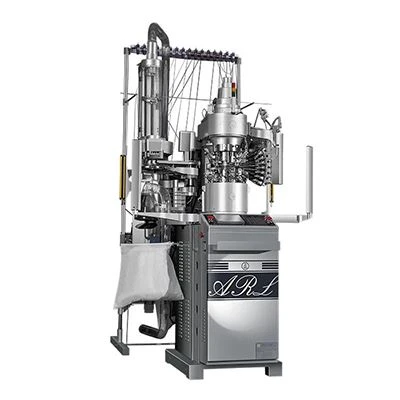
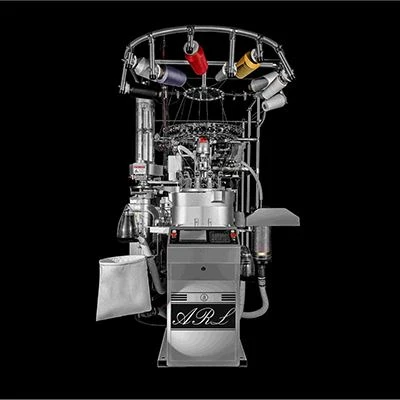
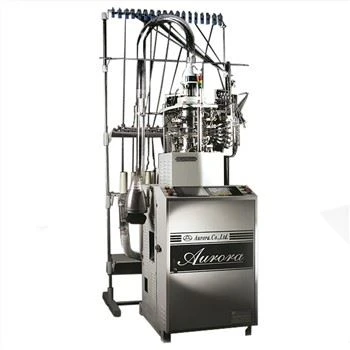


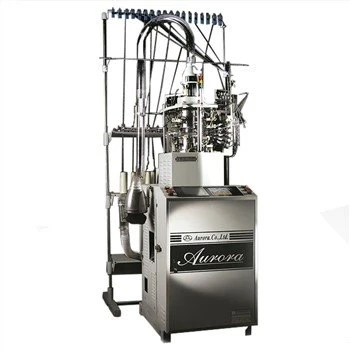
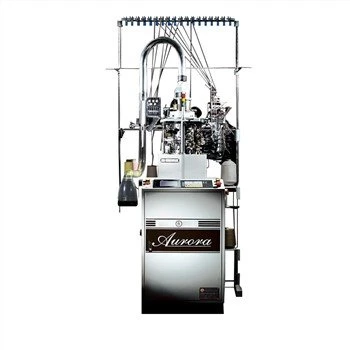
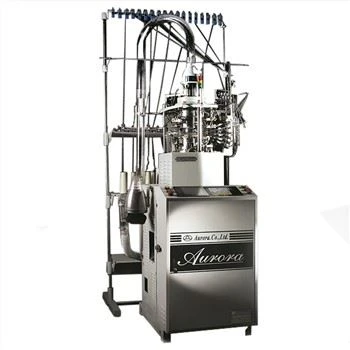
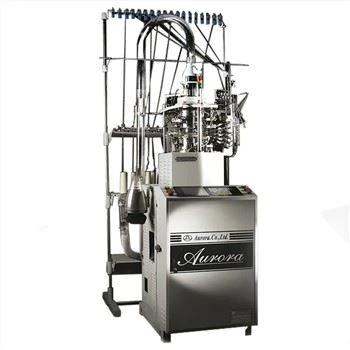
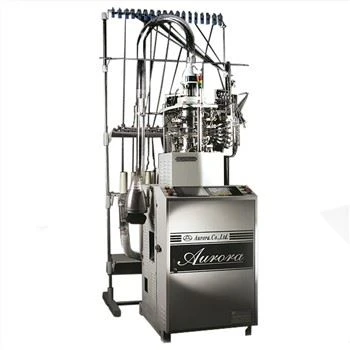
Functional Characteristics of Socks Knitting Machine
Automatic Knitting: Mechanically interlocks yarn loops to form socks without manual intervention, enabling continuous production.
Programmable Patterns: Adjusts knitting sequences via digital controls to create custom designs for heels, toes, cuffs, and decorative motifs.
Multi-Yarn Feeding: Integrates multiple yarn inputs for color blocking, texture variations, or mixed materials (e.g., cotton, spandex).
Size Adaptability: Modifies stitch density and machine gauges to produce socks in various sizes (kids, adults, specialty fits).
High-Speed Operation: Achieves rapid knitting rates with precision tension control to prevent defects like loose threads or uneven texture.
Quality Assurance Features: Includes built-in sensors to detect yarn breakages, misalignments, or stitching errors for consistent output.
Seamless Construction: Forms heels and toes with integrated shaping mechanisms for comfort and durability, minimizing post-production finishing.
Types of Socks Knitting Machine: A Comprehensive Guide
Single Cylinder Socks Knitting Machine
Structure: Features a single cylindrical needle bed, ideal for basic sock designs.
Functionality: Produces simple socks (e.g., crew, ankle styles) with uniform stitch patterns.
Advantages: Cost-effective, suitable for high-volume production of standard socks.
Limitations: Struggles with complex heel/toe shaping or multi-texture designs.
Double Cylinder Socks Knitting Machine
Design: Incorporates two needle cylinders for interlocking stitches.
Key Capability: Creates seamless heels, toes, and reinforced areas without manual finishing.
Application: Ideal for athletic socks, dress socks, and designs requiring ergonomic shaping.
Efficiency: Higher production speed for structured socks with consistent fit.
Computerized (Electronic) Socks Knitting Machine
Technology: Uses digital controls and programmable patterns.
Flexibility: Enables intricate designs, color blocking, and custom motifs via CAD integration.
Precision: Maintains consistent stitch density and tension for high-quality output.
Scalability: Suits small-batch custom orders or large-scale production with quick pattern changes.
Semi-Automatic Socks Knitting Machine
Operation: Requires manual intervention for yarn changes or minor adjustments.
Cost-Benefit: Lower initial investment, suitable for small factories or artisanal production.
Output: Slower than fully automatic models but offers flexibility for experimental designs.
High-Speed Socks Knitting Machine
Performance: Achieves rapid stitch rates (up to 1,000+ RPM) for mass production.
Features: Integrated tension control and error-detection systems to minimize defects.
Use Case: Commodity socks (e.g., bulk retail, industrial orders) requiring high throughput.
Specialized Socks Knitting Machine
Medical/Compression Socks: Custom gauges for graduated compression and therapeutic designs.
Seamless Socks Machine: Creates tube-shaped socks without side seams for premium comfort.
Thermal/Outdoor Socks: Accommodates thick yarns and insulated materials with heavy-duty mechanisms.
Smart Textile Machines: Integrates conductive yarns or sensors for tech-enabled socks (e.g., fitness tracking).
Multi-Yarn Feeding Socks Knitting Machine
Capability: Simultaneously processes multiple yarn types (cotton, spandex, nylon) for mixed materials.
Design Versatility: Enables color gradients, texture contrasts, and reinforced panels (e.g., heel/toe patches).
Quality Control: Ensures even distribution of elastic threads for stretch consistency.
Gauge-Specific Machines
Fine Gauge (200-280 needles): For thin, delicate socks (e.g., dress socks, hosiery).
Coarse Gauge (72-144 needles): Suits thick, rugged socks (workwear, winter styles).
This guide covers core machine types, each tailored to specific production needs—from basic functionality to specialized technical requirements. Let me know if you need deeper dives into any category!
Top 5 Reasons Why You Need Socks Knitting Machine
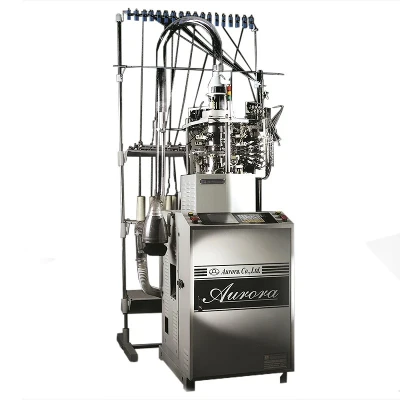
1. Mass Production Efficiency
Speed & Consistency: Automated machines produce 100+ socks per hour with uniform stitching, far outpacing manual knitting.
24/7 Operation: Industrial models run continuously, ideal for meeting bulk orders (e.g., retail chains, wholesale) without labor bottlenecks.
2. Design Flexibility & Customization
Programmable Patterns: Computerized models let you create intricate designs—from color-blocked stripes to branded logos—via digital controls.
Size & Texture Variety: Adjust gauges to make anything from thin dress socks to thick winter styles, with reinforced heels/toes at the touch of a button.
3. Cost Savings in the Long Run
Labor Reduction: Fewer workers needed compared to manual knitting; one operator can manage multiple machines.
Material Efficiency: Precise yarn feeding minimizes waste, and automated error detection (e.g., yarn break alerts) reduces defective products.
4. Specialized Production Capabilities
Niche Markets: Target medical (compression socks), athletic (moisture-wicking designs), or outdoor (thermal insulated styles) with specialized machines.
Seamless Construction: Double-cylinder models form heels/toes without seams, appealing to consumers seeking comfort and durability.
5. Scalability for Business Growth
Adapt to Demand: Easily switch between small custom batches (e.g., boutique brands) and large runs (mass-market products) by adjusting settings.
Competitive Edge: Automated production allows faster turnaround times, helping businesses stand out in a crowded textile market.
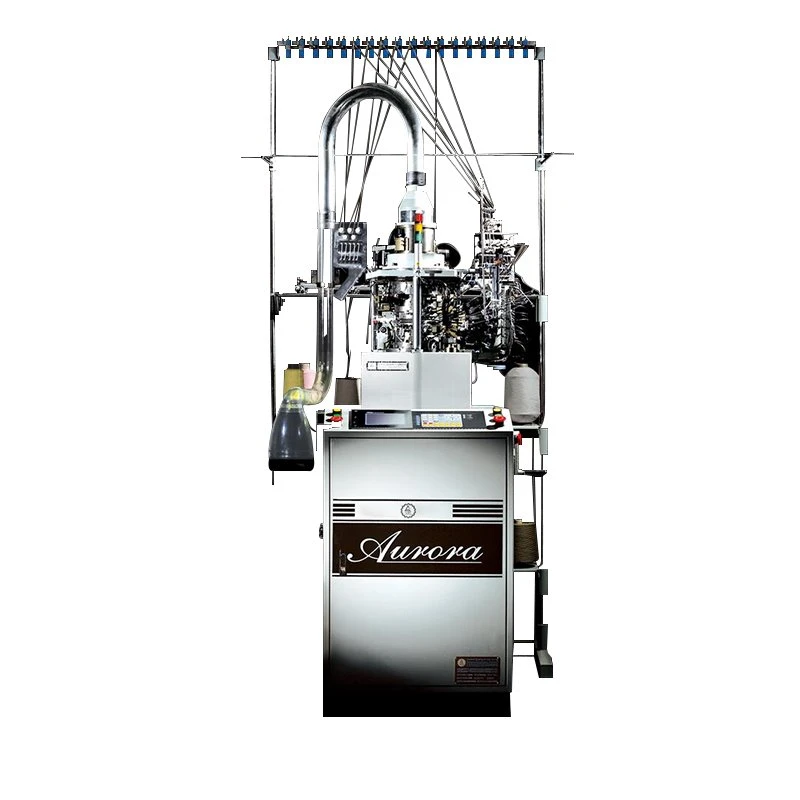
Whether you’re a startup, small manufacturer, or established brand, a socks knitting machine transforms production from slow and inconsistent to efficient, versatile, and profit-driven.
FAQ
Q: What is Foreign Trade-Express?
A: Foreign Trade Express is a one-stop intelligent foreign trade network marketing SaaS system platform.
Q: How does it make different sock sizes?
A: Machines adjust stitch density and gauge settings (number of needles). Fine gauges make small socks; coarse gauges make larger, thicker ones.
Q: Can it create patterns or designs?
A: Yes! Computerized models let you program patterns for colors, logos, or textures (like ribbed cuffs or reinforced heels). Some even do seamless designs.
Q: Do I need special training to operate it?
A: Yes. Operators need training on machine settings, yarn feeding, and safety—especially for computerized or industrial models.
Q: What types of yarn can it use?
A: Cotton, nylon, spandex, wool, and blends. Machines with multi-yarn feeding can use different materials at once (e.g., stretchy spandex for cuffs).
Q: How to maintain the machine?
A: Regularly clean needles and yarn paths, oil moving parts, check for loose screws, and replace worn components to avoid errors.
Q: What's the difference between single and double cylinder machines?
A: Single cylinder: Makes basic socks, cheaper but limited to simple designs.Double cylinder: Creates seamless heels/toes and complex shapes, ideal for athletic or dress socks.
Q: How to fix yarn breakages during knitting?
A: Machines often have sensors that stop production when yarn breaks. Check the yarn path for tangles, replace broken threads, and restart.
We're well-known as one of the leading socks knitting machine manufacturers and suppliers in China. If you're going to buy high quality socks knitting machine for sale, welcome to get more information from our factory.
Plain Socks Knitting Machine, double cylinder socks knitting machine, home sock knitting machine